
Planning a garden: what to think about first
How to plan a garden in the right order: map sun and shade, divide it into zones, place the patio by the sun and build in stages without costly mistakes.
Reading time about 9 minutes
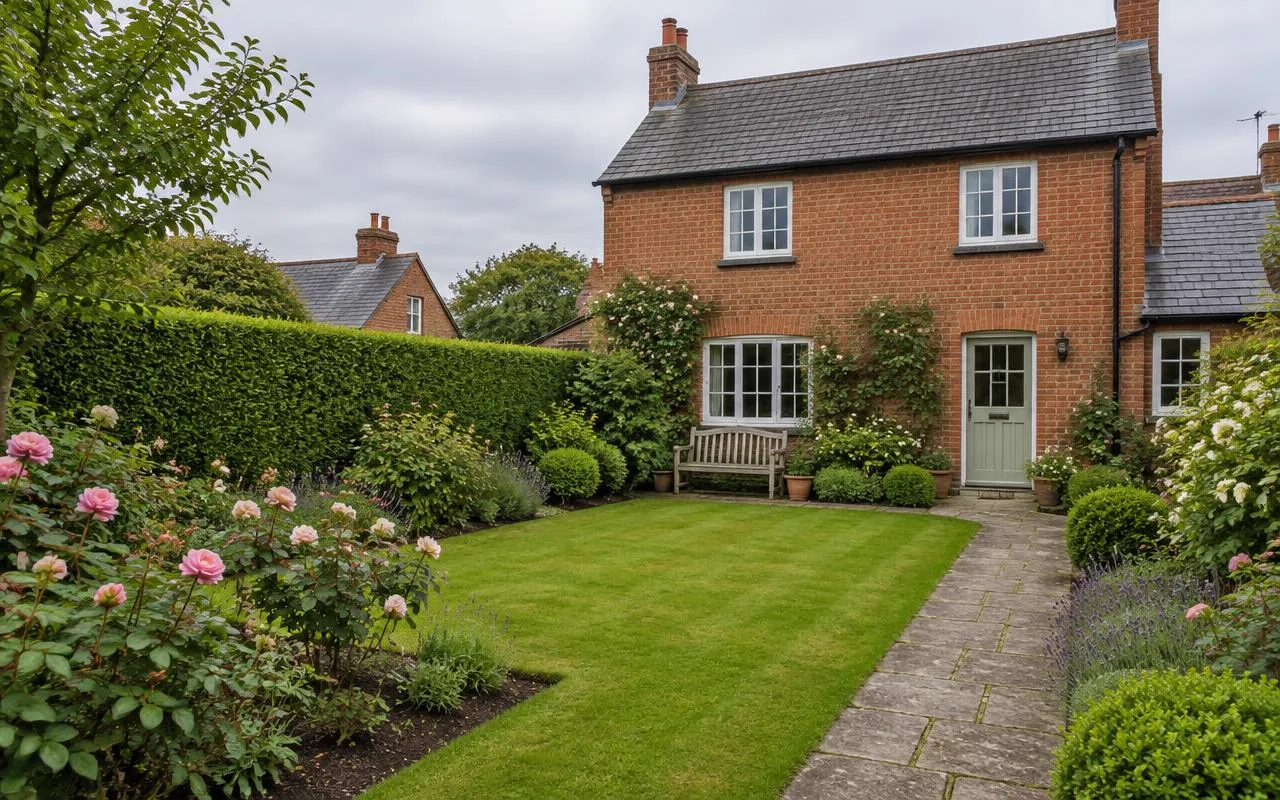
Short answer: how to plan a garden without costly mistakes
Get to know the plot – sun, shade, wind, slope and soil – before buying a single plant or paver. Then divide the garden into zones by how you want to use it: patio, growing, play, storage and compost. Place the patio by the sun at the times you actually sit outside and link zones with paths where you already walk. Moving things later is what costs money: a patio in the wrong spot, a hedge shading the veg beds or a lawn under water every spring. Draw the garden and test layouts before ordering materials or hiring a landscaper.
How do you survey your plot?
Follow the sun through a day and ideally across seasons. Note where the wind hits, where water pools after rain, how the ground slopes and what soil you have – clay, sand or loam. Mark existing trees, drains, services and what should stay. This map decides everything else and costs only time.
How do you divide a garden into zones?
Think in rooms: a patio near the kitchen, growing where the sun is strongest, play where you can see it from the house, and sheds, compost and bins easy to reach but out of view. Zones used daily go near the house. On a small plot one area can do two jobs.
Where should the patio go?
Place it by when you sit outside. Evening sun usually means west or south-west, morning coffee east. A fully south-facing patio can get hot at midday and needs shade from a pergola, awning or tree. Check overlooking and wind, and keep the route to the kitchen short.
Paths and flow
Put paths where people really walk, or a shortcut gets worn through the lawn. Main paths between door, patio, shed and bins need to be wide enough for a wheelbarrow with a firm surface. Smaller routes can be gravel or stepping stones. Plan lighting along them too.
How do you choose plants?
Choose by hardiness, aspect and how much time you want to spend. Check whether each spot is sun, part shade or shade. Perennials and shrubs need less work than annual bedding and large lawns. Think about final size: a small tree planted too close to the house or boundary becomes a problem in ten years.
Drainage and run-off
Water should run away from the house, not towards the foundations. Ground next to the house should fall away from the wall. Where water pools, drainage, a soakaway or a rain garden can help. Downpipes can feed a water butt. Mistakes here can cause damp in the house and unusable soggy areas.
Watering
Plan watering before laying hard surfaces: where you need water, how far the tap is and whether you want drip irrigation in beds. A water butt goes a long way for growing. Digging a hose under finished paving later is expensive.
Lighting
Lighting makes the garden usable on dark evenings and keeps paths and steps safe. Plan cable routes or socket positions before paving and beds go in. Mains outdoor electrics should be installed by a qualified electrician; low-voltage and solar lights you can often fit yourself.
Fences, walls and privacy
Hedges, fences, walls or trellis with climbers create privacy. Hedges take time but are cheap and alive. Fences and walls give quick screening but may need permission depending on height and position. A tall fence also casts shade.
Neighbours and rules
Rules on fences, walls, patios, outbuildings, ground works and trees near boundaries vary and may be affected by conservation areas or tree preservation orders. Check with your council before building near a boundary and talk to neighbours early.
- Check whether fences, walls and patios need permission.
- Ask about rules for ground works and level changes.
- Check for tree preservation orders and conservation areas.
- Talk to neighbours before building on a boundary.
Budget and stages
Plan the whole garden but build it in stages. Start with what is hard to do later: drainage, ground works, services, paths and the patio base. Plants, furniture and details can follow. You spread the cost and avoid ripping out what you just built.
Common garden planning mistakes
- The patio sits in shade when you use it.
- Plants chosen without thinking about final size.
- Water directed towards the house.
- Paths where nobody walks.
- Power and watering forgotten before paving.
- No space for shed, compost and bins.
- Everything built at once without a plan.
Checklist: before you build the garden
Save the list and tick it off before buying materials.
- Sun, shade and wind mapped.
- Slope, soil and wet spots noted.
- Zones decided.
- Patio position tested.
- Paths drawn by flow.
- Drainage and run-off planned.
- Watering and power planned.
- Boundary and fence rules checked.
- Stages and budget set.
Draw and test the garden before buying materials
Draw the plot with the house, add zones, patio and paths and move them until the flow feels right. See where shade falls at different times and seasons. With a finished plan you know how many square metres of paving and how much soil you need – and the landscaper prices the same thing as you.
Frequently asked questions
How do I start planning a garden?
Start by surveying the plot: sun and shade through the day, wind, slope, soil and where water pools. Then decide what you want to use the garden for and divide it into zones. Draw a plan before buying materials so you can move things on paper instead of in the ground.
Where should the patio go?
Where the sun is when you usually sit outside. Evening sun is often to the west, morning sun to the east. A fully south-facing patio can get hot and need shade. A short route to the kitchen and shelter from wind and overlooking make it far more used.
Do I need permission for a fence or wall?
It depends on height, position and local rules. Lower fences often need no permission, while taller fences and walls, especially next to a road or in a conservation area, may. Check with your council before you build and talk to your neighbour about boundary work.
How do I make a low-maintenance garden?
Choose perennials and shrubs suited to your soil and aspect, reduce large lawns and annual bedding, and cover soil with ground cover or mulch. Plan watering and firm edges from the start, and maintenance drops year after year.
Rules change and are applied locally. Always check with your local planning authority and Building Control before you build.